


You receive a valve quotation that looks complete, the price looks reasonable, and the delivery date fits your schedule. Before you approve the purchase order, slow down. As energy, water, and chemical capacity expands across global supply chains, procurement and engineering teams are placing larger, more technical valve orders than ever before. A quotation that looks tidy on the surface can quietly leave out the details that protect your budget and your plant. This guide shows you what to read, what to question, and what to compare, so you can buy with confidence.
When you open a supplier’s valve quotation, it is easy to treat the bottom-line number as the whole story. In practice, the document is a snapshot of one supplier’s assumptions about your project—assumptions about materials, standards, testing, and delivery that may not match what your plant actually needs. Across the industrial landscape, several forces are quietly raising the stakes. Expanding LNG terminals, growing hydrogen and chemical capacity, and the steady build-out of desalination and water-treatment plants all push valve specifications upward: larger diameters, higher pressures, and more corrosive service. Longer global supply chains add lead-time and logistics variables that a single line item rarely captures. When you read the quotation, you are really reading a set of promises. Your job is to confirm those promises are specific, comparable, and complete before you commit.
The fastest way to lose money on valve procurement is to compare only the headline price. Two quotes for the “same” valve can differ by 20 to 40 percent, and the gap usually lives in line items that were never written down. A complete valve quotation should separate the base valve price from everything wrapped around it. Watch for material surcharges tied to nickel or chrome prices, freight and Incoterms that shift risk to your side, and fees for painting, packaging, spare parts, and documentation. Testing and certification are frequent omissions—third-party inspection or a specific material test certificate may simply be absent, leaving you to pay later or accept the gap.
| Cost Item | Where It Hides | What to Ask the Supplier |
|---|---|---|
| Base valve price | Looks complete on its own | Is it quoted ex-works or delivered? |
| Material surcharge | Buried in fine print or absent | Which alloy index is it linked to? |
| Freight & Incoterms | Quoted separately or vaguely | Who owns risk until arrival? |
| Painting / coating | Skipped unless specified | Which coating standard (e.g., ISO 12944)? |
| Testing & NDT | Omitted by default | Which tests (API 598, PMI, RT/UT)? |
| Spare parts & docs | Left out to lower the price | Are spares and MTC included? |
Valve pressure rating is where vague quotations cause the most expensive mistakes. A valve marked “Class 300” is not the same as “PN 40″—the two systems use different temperature-derating curves, and mixing them can put the wrong valve in a critical line. Before you accept a quote, confirm the rating basis (ASME B16.34, API 6D, or EN standards), the temperature range, and whether the rating covers the seat and body equally. For pipeline and oil-and-gas service, our API 6D trunnion-mounted ball valves are built and tested to the pipeline standard so the rating you specify is the rating you receive. If your project spans regions, insist on a clear statement of the standard rather than a converted number.
Choosing the wrong body or trim material is a hidden cost that shows up years too late. A quotation that simply says “stainless steel” leaves too much unsaid—304, 316, duplex, and super-duplex behave very differently in chloride or sour service. As desalination, marine, and chemical projects multiply, more specifications now call for duplex and super-duplex bodies to resist pitting and stress-corrosion cracking. Confirm the exact grade, the trim (seat and stem) material, and any corrosion allowance. For general isolation duty our gate valves and globe valves cover a wide material range from WCB to CF8M; for aggressive media, ask specifically for the grade your service demands rather than accepting a generic line.
A low price looks better until you learn the valves were never pressure-tested to a named standard. Reputable valve inspection and testing follows API 598 (or equivalent) for hydrostatic and seat-leakage checks, often supplemented by PMI, RT/UT, or MT/PT depending on criticality. Certification is equally easy to understate: ISO 9001 is the baseline, while CE, ATEX, or the API monogram may be required by your end client or region. Ask for the test procedure, the acceptance criteria, and the issuance of a material test certificate. Our guide to API 598 valve inspection and testing walks through the exact tests and pass criteria you should see on the report, and our check valves ship with full traceable documentation as standard.
Use the checklist below as a working tool the next time a quotation lands in your inbox. Work through each box before you release the purchase order—if any item is left open, go back to the supplier for clarification. It is a simple, printable framework that keeps your valve procurement disciplined and your specification gaps visible.
Valve Quotation Review Checklist
Tap any box to tick it off while you read your quote — the ticks stay in your browser and nothing is sent. Prefer paper? Print this page and work through it with a pen.
Commercial & Price
Pressure & Standards
Material & Trim
Inspection & Certification
Delivery & Warranty
Any box still empty after a second read is a question worth sending back to the supplier before you sign.
| Hidden Cost Quick-Scan | What It Costs You If Omitted |
|---|---|
| Price basis & Incoterms | Budget overrun on conversion or freight |
| Pressure rating | Wrong valve placed in a critical line |
| Material grade | Premature failure in corrosive service |
| Testing & certification | Rejection at customs or on site |
| Lead time | Project delay and demurrage charges |
The only fair way to compare industrial valve quotes is to compare identical scope. Normalize every quotation to the same ex-works basis, the same standard, the same Incoterms, and the same testing and documentation package, then look at total landed cost rather than unit price. A cheaper valve that arrives late, undocumented, or non-compliant can cost more than a premium valve that ships certified and on time. Build a simple comparison sheet with the columns above and score each supplier on completeness, not just price. When two quotes still look close, the differentiator is usually the supplier’s engineering support and traceability—exactly the things a thin quotation hides. For large-diameter or high-cycle service, also weigh butterfly valves and plug valves against ball and gate designs, because the right topology changes both price and lifecycle cost.
Need a Second Opinion on Your Valve Quotation?
Send us your specification or an existing quote—our engineers will flag hidden costs and close spec gaps for free.
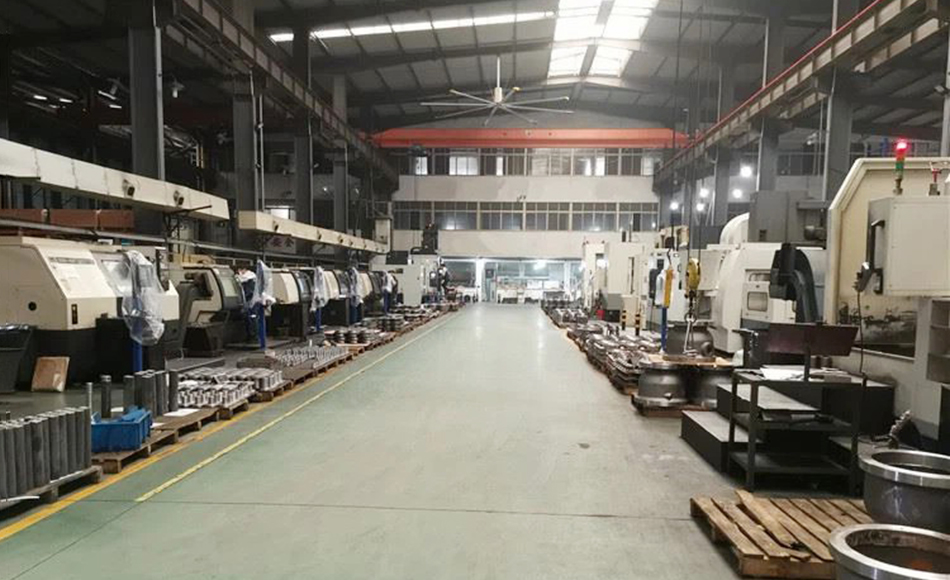
Full-Think (FULL-THINK VALVE CO., LTD) has manufactured industrial valves since 2012, with more than a decade of supplying ball, gate, globe, check, plug, and butterfly valves to energy, water, and process projects worldwide. Our facility integrates machining, assembly, and in-house hydrostatic and pneumatic testing, and our quality system is built on ISO 9001 with full material traceability and documentation for every order. When you send us your specification or an existing quotation, our engineers review it against the standards your project requires and flag the gaps before they become costly surprises.
You now have a clear framework for reading any valve quotation without missing the details that matter. By checking the price breakdown, confirming pressure ratings and materials against the right standards, and verifying inspection and certification, you protect both your budget and your plant. When specifications grow more demanding, the right manufacturing partner makes the difference. Full-Think has supplied industrial valves to global projects for over a decade, with in-house testing and full documentation. Send us your specification or an existing quotation, and our engineers will help you compare options and close every spec gap before you buy.
Get a Quotation You Can Trust
Tell us your valve specification or share a supplier quote. Full-Think returns a clear, standards-compliant response with no hidden gaps.
The two terms are used interchangeably in valve procurement, but a “quotation” usually refers to the formal, often bound document with full commercial and technical scope, while a “quote” may be a shorter price-only estimate. Always judge the document by its content, not its label—a one-line price is not a quotation no matter what it is called.
Every quotation should name an Incoterm (such as EXW, FOB, CIF, or DDP) because it defines where cost and risk transfer from the supplier to you. Without it, freight, insurance, and customs responsibilities are ambiguous, and those gaps become your unexpected costs at the port.
A model number rarely captures the full specification. Differences in body grade, trim material, testing scope, coating, certification, and even country of origin explain most price gaps. The cheaper quote is often simply omitting items the other supplier included—exactly what a side-by-side scope comparison reveals.
“Ex-works” (EXW) means the price covers the valve at the supplier’s factory gate; you arrange and pay for all transport, insurance, and export formalities. It produces the lowest headline number but the highest buyer responsibility, so always convert to landed cost before comparing with a delivered quote.
For the European Union, CE marking is the baseline, while equipment intended for potentially explosive atmospheres must meet the ATEX directive. Your end client may also require ISO 9001 and specific product standards. Confirm the exact certificate list with your EPC or compliance team before issuing the purchase order.
Ask the supplier to state the rating basis (ASME B16.34, API 6D, or EN) and the temperature range, then cross-check the shell and seat ratings against that standard’s derating table. A credible supplier provides the calculation or references the standard clause; a vague “300# rated” with no basis is a red flag.
An MTC (often EN 10204 3.1) documents the actual chemical and mechanical properties of the heat the valve was made from. You need it for pressure equipment, sour-service, and most offshore or pipeline projects, because it is the only proof that the material matches the specification you paid for.
For critical or high-value orders, independent inspection by a body such as SGS, TUV, or BV is worthwhile—it verifies dimensions, testing, and documentation against your purchase order. For standard, low-risk valves, the supplier’s own API 598 test report with traceable MTC is usually sufficient.
Forged steel valves often carry longer lead times than cast because forgings require more upstream mill scheduling, especially for exotic grades. Cast valves from stock patterns are typically faster. Build the realistic mill lead time into your project schedule rather than trusting the shortest quote promise.
State the quote currency and validity period explicitly, since alloy surcharges and FX moves can erase a margin in weeks. Agree on payment terms (such as 30% advance, 70% against documents) and confirm whether the price is fixed or subject to raw-material adjustment before you sign.
Guides from our blog:
A Complete Guide to API 598 Valve Inspection and Testing
Cast Steel vs Forged Steel Valves: Which Should You Specify?
API 6D Standards: Why Compliance Matters for Pipeline Valve Safety
LNG Infrastructure Expansion: How It Reshapes Industrial Valve Selection
Explore our product ranges:
Ball Valves | Gate Valves | Check Valves
All images are sourced from the internet. In the event of any copyright infringement, please contact us and we will remove the content promptly.
 Optimized by Seraphinite Accelerator