


When selecting a cast steel gate valve for your industrial pipeline, there are several key factors to consider, such as the valve’s design, application, pressure rating, and material standards. In this guide, we’ll break down the types of cast steel gate valves, their working principles, and how to choose the right one for your needs.
A cast steel gate valve is a type of valve commonly used in industrial pipelines to control the flow of liquids or gases. Made from cast steel, these valves offer high strength and durability, making them ideal for high-pressure, high-temperature applications.
Gate valves function by raising or lowering a gate (or wedge) inside the valve to control the flow of media. In the open position, the gate is completely out of the flow path, allowing for unrestricted flow. In the closed position, the gate seals tightly against the valve seats to prevent flow. This makes them ideal for on/off applications rather than throttling.
This type of gate valve features a stem that rises as the valve is opened. The rising stem provides a visual indication of the valve’s position, making it easy to monitor.
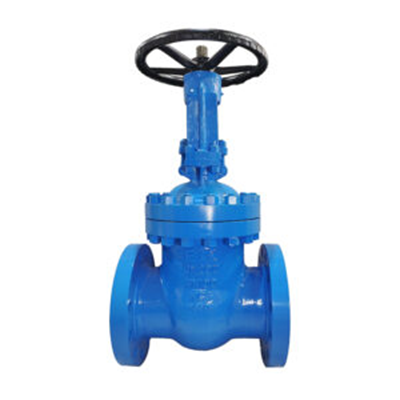
In contrast, the non-rising stem gate valve does not have a stem that rises. Instead, the stem stays in place, and the valve opens and closes by turning the handwheel.
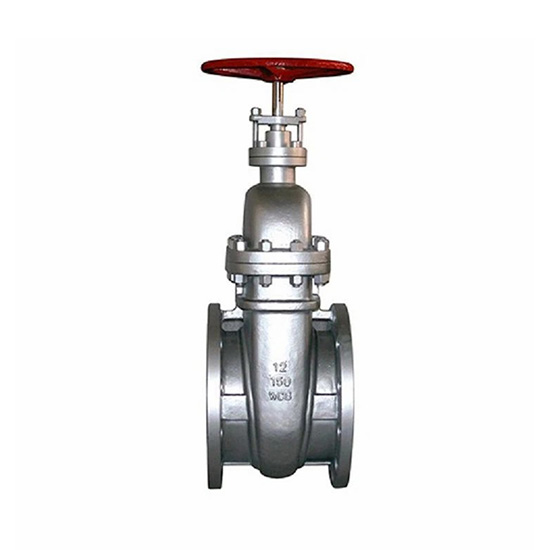
Made from stainless steel, these valves are ideal for applications where resistance to corrosion is required. They are commonly used in systems where the media may cause corrosion or erosion.
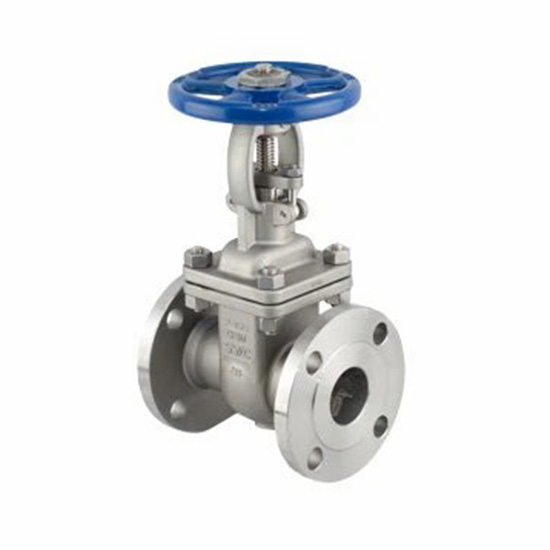
This type of valve features a parallel sliding design, which ensures that the valve seats are not subject to wear and tear over time, making it ideal for applications with high flow rates.
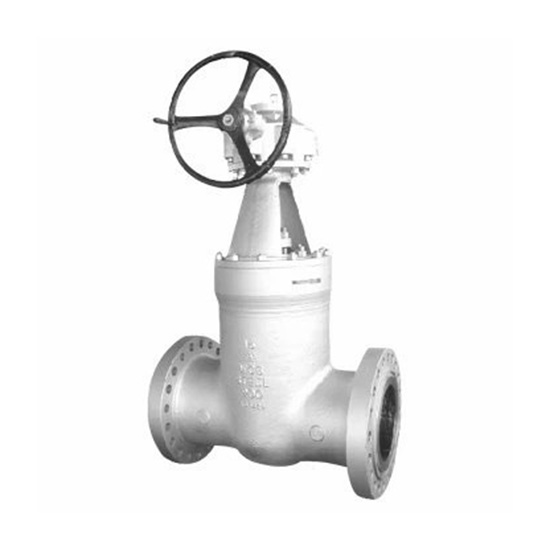
A through conduit gate valve is designed for applications involving large flow rates and where the gate is fully out of the flow path when open.
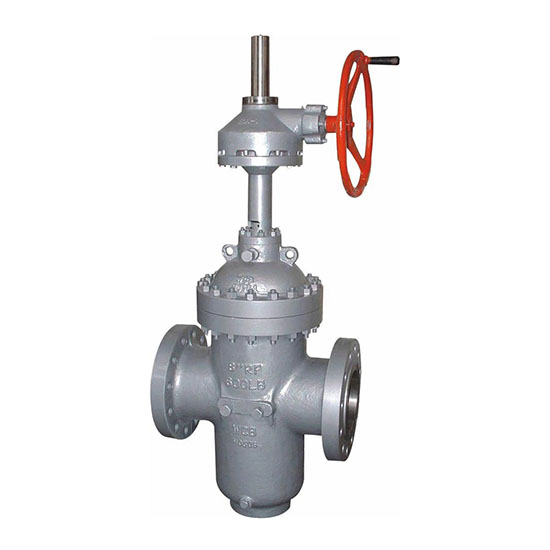
Pressure seal gate valves use pressure from the pipeline to enhance the sealing of the valve, making them ideal for high-pressure systems.
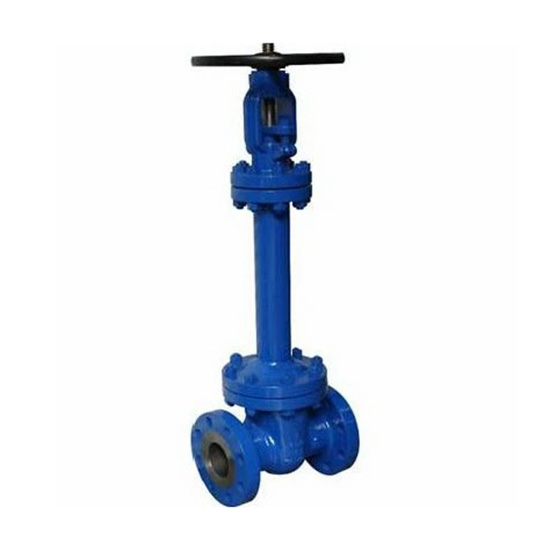
Cast steel gate valves are used in various industries, including:
Oil and Gas: For controlling flow in pipelines that transport oil and gas.
Power Plants: For regulating steam and water in power generation systems.
Water Pipelines: For use in municipal water supply systems.
Chemical Processing: Ideal for systems involving high pressure and temperature.
When selecting the right cast steel gate valve for your system, consider the following:
Pressure and Temperature: Ensure the valve can withstand the pressure and temperature of your system.
Valve Size and Flow Rate: Choose a valve size that matches your pipeline dimensions and flow requirements.
Material Compatibility: Make sure the valve material is compatible with the media being transported.
Valve Standards: Look for valves that meet industry standards such as API 600 or ASME standards.
At FULL-THINK, we provide high-quality cast steel gate valves that meet industry standards and are designed for optimal performance. Our valves are built to last, offering reliable performance in a wide range of industrial applications. Whether you need a rising stem valve for easy monitoring or a pressure seal valve for high-pressure systems, we have the right solution for you.
Q: What is the difference between a rising stem and a non-rising stem gate valve?
The rising stem gate valve’s stem rises as the valve is opened, providing a clear indication of the valve’s position. A non-rising stem valve does not have a rising stem, making it more suitable for applications with limited space.
Q: What materials are used for cast steel gate valves?
Cast steel gate valves are typically made from materials such as carbon steel, stainless steel, and alloy steel, depending on the application requirements.
Q: Can cast steel gate valves be used in high-pressure applications?
Yes, cast steel gate valves are designed to withstand high pressures and are ideal for use in industrial systems, including oil and gas pipelines and power plants.
Choosing the right cast steel gate valve is critical for ensuring the smooth operation of your industrial pipeline. Consider factors such as pressure rating, material compatibility, and valve design when making your selection. FULL-THINK offers a wide range of reliable cast steel gate valves that meet international standards and are built to last. Contact us today for expert advice and to find the right valve for your system!
 Optimized by Seraphinite Accelerator