Forged vs Cast Steel Gate Valve: Which Should You Choose?
Introduction
When you choose a steel gate valve for industrial pipelines, material quality directly affects pressure performance, durability, and long-term reliability. Forged and cast steel gate valves dominate high-demand applications, but each serves different operating needs. Understanding their structural differences helps you select the most cost-effective and safest solution.
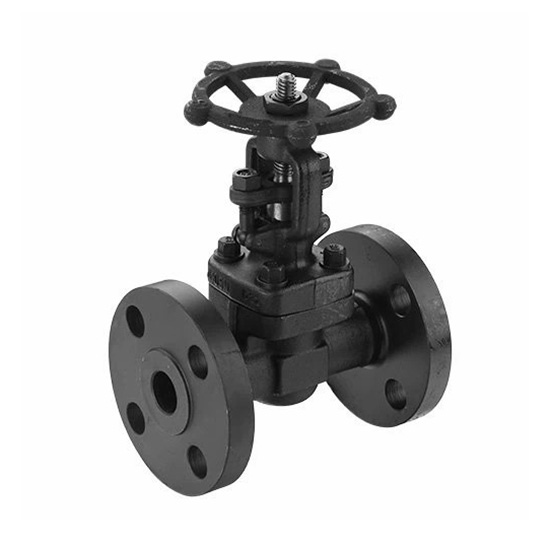
What Is a Forged Steel Gate Valve?
A forged steel gate valve is manufactured by shaping heated steel under high pressure, creating a dense and uniform internal structure.
You benefit from:
- Higher mechanical strength
- Excellent pressure resistance
- Superior fatigue performance
- Minimal internal defects
Forged steel valves are ideal for high-pressure, high-temperature, and critical process systems.
(All images are sourced from the internet. In the event of any copyright infringement, please contact us and we will remove the content promptly.)
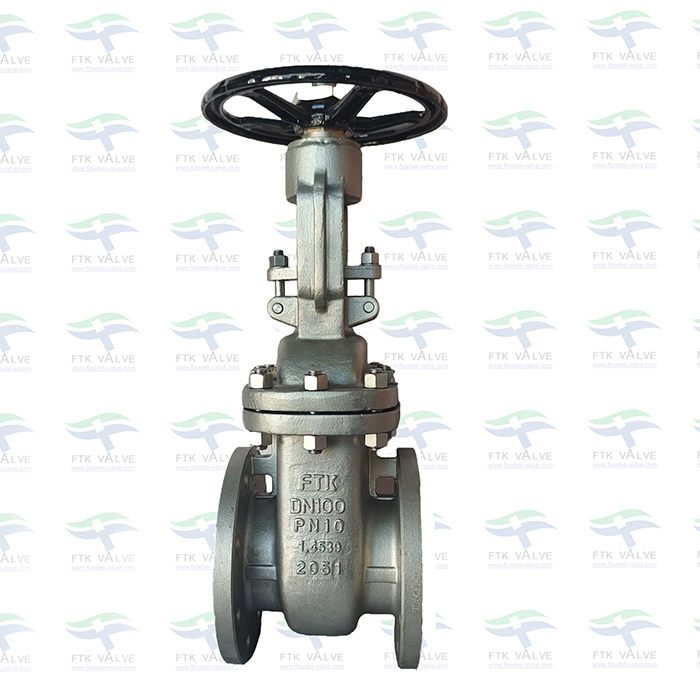
What Is a Cast Steel Gate Valve?
A cast steel gate valve is produced by pouring molten steel into molds, allowing complex shapes and larger valve sizes.
Key advantages include:
- Cost-effective for large diameters
- Flexible design structures
- Good performance in medium-to-high pressure systems
- Easier mass production
Cast steel valves are widely used in industrial pipelines where size and cost efficiency matter.
 Material and Microstructure Comparison
The manufacturing process directly affects internal strength and durability.
|
Feature
|
Forged Steel Gate Valve
|
Cast Steel Gate Valve
|
|
Grain Structure
|
Dense and aligned
|
Random, less compact
|
|
Internal Defects
|
Very low
|
Possible porosity
|
|
Strength
|
Extremely high
|
Moderate to high
|
|
Pressure Tolerance
|
Excellent
|
Good
|
|
Structural Consistency
|
Very stable
|
Depends on casting quality
|
In simple terms: forging compresses metal grains for maximum strength, while casting forms shapes but may introduce micro-voids.
Performance Comparison Under Operating Conditions
High Pressure and Temperature
You should choose forged steel gate valves for:
- Steam systems
- High-pressure oil & gas pipelines
- Power generation equipment
They handle extreme stress without cracking or deformation.
Large Diameter and Standard Industrial Flow
Cast steel gate valves work well for:
- Water treatment systems
- Chemical processing lines
- Large pipeline networks
They balance strength and affordability effectively.
Cost and Maintenance Considerations
- Higher initial cost
- Lower failure risk
- Longer service life
- Reduced unplanned downtime
- More affordable for large sizes
- Easy replacement
- Slightly higher inspection needs
Your long-term budget should consider lifecycle cost, not just purchase price.
Applications and Selection Guidelines
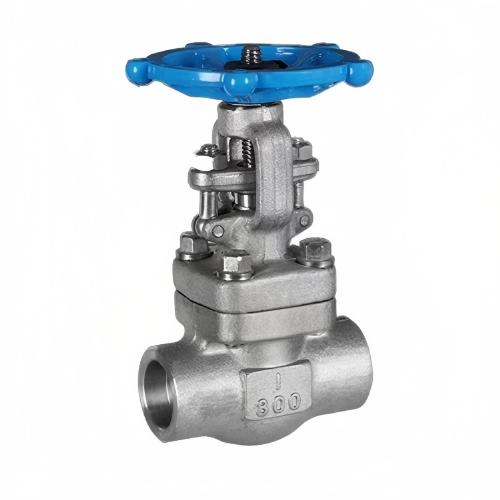
Choose forged steel gate valves when you need:
- High pressure ratings
- Extreme temperature resistance
- Maximum reliability
(All images are sourced from the internet. In the event of any copyright infringement, please contact us and we will remove the content promptly.)
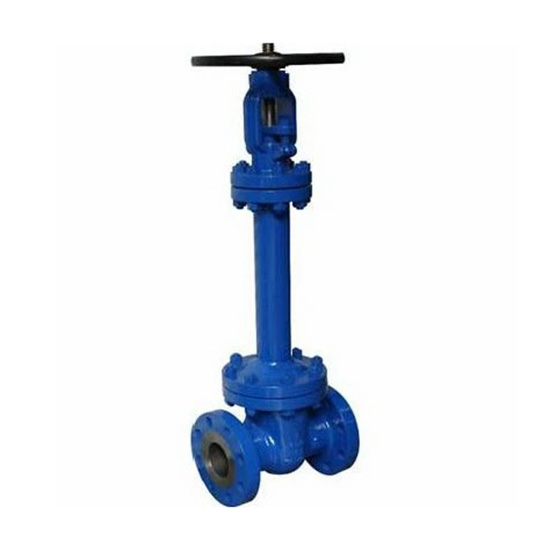
Choose cast steel gate valves when you need:
- Large diameter pipelines
- Cost control
- Standard industrial conditions
(All images are sourced from the internet. In the event of any copyright infringement, please contact us and we will remove the content promptly.)
FAQs
Q: Which is stronger, forged or cast steel gate valves?
Forged steel gate valves are stronger due to their dense grain structure and lack of internal voids.
Q: Are cast steel gate valves suitable for high-pressure systems?
Yes, but they are better suited for medium-to-high pressure rather than extreme conditions.
Q: Why are forged steel valves more expensive?
The forging process requires higher energy, precision tooling, and material compression, increasing production cost.
Q: Which valve lasts longer in harsh environments?
Forged steel gate valves typically offer longer service life under high stress and temperature.
Conclusion
When selecting between forged and cast steel gate valves, you must balance pressure demands, pipeline size, durability, and total cost of ownership. Forged steel delivers maximum strength for critical systems, while cast steel provides economical solutions for larger installations.
FULL-THINK supplies high-performance steel gate valves engineered for reliability, safety, and long-term industrial operation.
1