When choosing a valve for your system, a plug valve might be an excellent option, especially if you need precise flow control. But how exactly does it work, and what types are available? In this guide, we’ll walk you through everything you need to know about plug valves, from their structure and types to their applications.
What Is a Plug Valve?
A plug valve is a type of valve that uses a tapered or cylindrical plug to control the flow of fluids. The plug is rotated within the valve body to open or close the flow path. Plug valves are commonly used in pipelines for controlling liquids, gases, or slurries in various industries. They offer excellent shut-off capabilities and can be used in both full-flow and throttling applications.
Types of Plug Valves
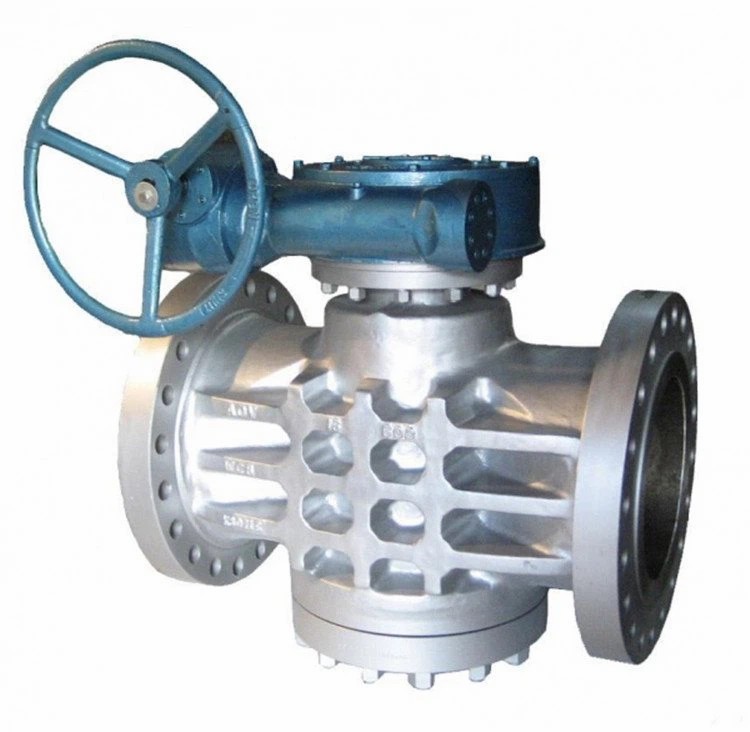
Inverted Pressure Balance Lubricated Plug Valve
The Inverted Pressure Balance Lubricated Plug Valve is designed for handling high-pressure applications where the lubricated plug is balanced to reduce wear and tear. The unique design ensures that the plug is lubricated throughout its operation, extending the valve’s service life. These are commonly used in high-pressure systems like refining and chemical processing.
(All images are sourced from the internet. In the event of any copyright infringement, please contact us and we will remove the content promptly.)
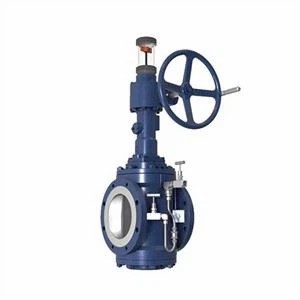
DBB Plug Valve
A DBB (Double Block and Bleed) Plug Valve is designed to provide an extra level of safety by allowing a full shut-off of the flow and a bleed valve to release any trapped pressure between the two block valves. This type of valve is commonly used in oil and gas systems or other critical applications where preventing leaks is crucial.
(All images are sourced from the internet. In the event of any copyright infringement, please contact us and we will remove the content promptly.)
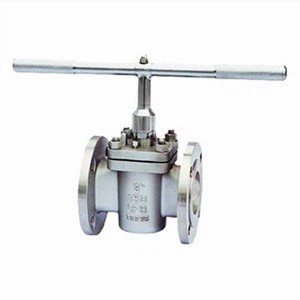
PTFE Sleeve Plug Valve
A PTFE Sleeve Plug Valve uses a PTFE (Polytetrafluoroethylene) sleeve between the plug and valve body to reduce friction and improve sealing. This type of valve is ideal for handling corrosive and abrasive fluids. The PTFE sleeve ensures minimal leakage and resistance, making it suitable for a wide range of industrial applications.
(All images are sourced from the internet. In the event of any copyright infringement, please contact us and we will remove the content promptly.)
Plug Valve Design and Working Principle
The working principle of a plug valve is simple: The plug inside the valve body is designed to fit tightly with the valve seat. By rotating the plug, you either open or close the flow path. When open, the media flows freely through the valve, and when closed, the plug seals the valve seat, completely stopping the flow. The design of the plug is typically conical, which makes it easier to create a tight seal.
Advantages and Disadvantages of Plug Valves
Advantages
Positive Shut-off: Provides excellent sealing and is ideal for systems requiring zero leakage.
Durable and Reliable: With fewer moving parts, plug valves are reliable and have a longer lifespan.
Versatility: Can handle both gas and liquid applications, as well as a wide range of pressures and temperatures.
Disadvantages
Size: Larger plug valves may be heavy and require more space.
Potential Wear: In certain applications, the constant rotation of the plug can lead to wear over time, especially in abrasive conditions.
Flow Control: While plug valves are great for on/off control, they are less effective for throttling flow over a wide range.
Applications and Suitable Scenarios
Gas Systems: Plug valves are often used to control the flow of gas in pipelines, providing a reliable shut-off for safety and efficiency.
Liquid Systems: They are commonly found in water treatment plants, oil refineries, and chemical processing plants for controlling liquids.
Oil and Gas: Plug valves are widely used in upstream and downstream oil and gas applications due to their robust construction and tight sealing.
Flow Control: In systems that require tight shut-off or isolation of sections, plug valves provide an excellent solution.
How to Choose the Right Plug Valve for Your Application
When selecting a plug valve, consider factors such as:
Flow Type: Whether you need on/off control or throttling capabilities.
Material Compatibility: Ensure the valve material is compatible with the fluid being handled.
Pressure and Temperature: Make sure the valve is rated for the pressure and temperature conditions of your system.
Size and Port Type: Choose between full port or reduced port based on the flow requirements.
How to Install a Plug Valve in a Pipeline
Installing a plug valve requires following these basic steps:
Shut down the system and drain the pipeline before installation.
Align the valve with the pipeline and make sure it’s oriented properly (inlet and outlet).
Tighten the connections using appropriate tools, ensuring that the valve body is securely installed.
Test the valve by operating it to ensure proper function.
Always refer to the manufacturer’s instructions for specific installation and maintenance guidelines.
FAQs
Q:What is the difference between a lubricated and non-lubricated plug valve?
Lubricated plug valves have a layer of lubricant between the plug and valve body, reducing friction, while non-lubricated valves rely on the valve design to minimize friction.
Q:Can plug valves be used for both gas and liquid systems?
Yes, plug valves are versatile and can be used for both gas and liquid applications.
Q:When should I use a reduced port plug valve instead of a full port valve?
A reduced port valve is ideal when space is limited or where throttling is required, but it comes with a slight pressure drop.
Q:How do I know what size plug valve I need?
The size of the plug valve depends on the pipe diameter, pressure requirements, and the flow rate needed in your system.
Conclusion
Choosing the right plug valve for your system depends on your specific needs, whether it’s flow control, shut-off, or liquid/gas handling. With FULL-THINK VALVE, you can find high-quality plug valves designed to meet the demands of any industry, from water treatment to oil and gas. Whether you need a lubricated or non-lubricated valve, full port or reduced port, we’ve got you covered.
For reliable and durable plug valves, contact FULL-THINK VALVE today.



 Optimized by Seraphinite Accelerator