When it comes to controlling the flow of fluids in industrial systems, selecting the right valve is essential. Globe valves and gate valves are two common types used in various applications, but they serve different purposes and offer distinct advantages. In this article, we will dive into the differences between these two valve types, helping you make the best choice for your system needs.
What Are Globe Valves and Gate Valves?
Globe Valve
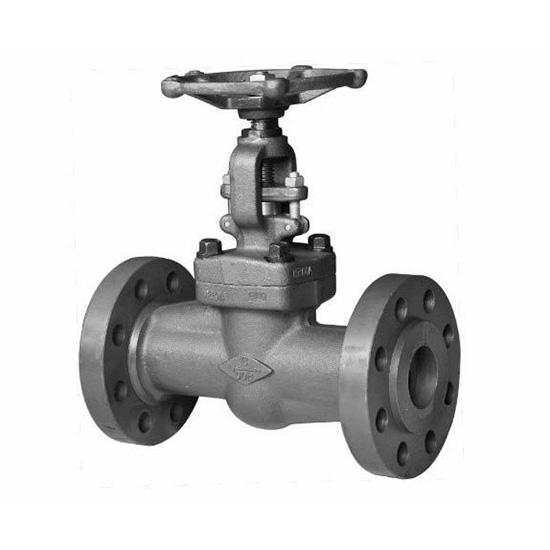
A globe valve is designed primarily for regulating the flow of fluids. It features a spherical body with an internal baffle that controls the flow by adjusting the position of the disc against the valve seat. Globe valves are typically used for throttling, allowing for fine control over the flow rate, making them ideal for pressure control applications.
Gate Valve
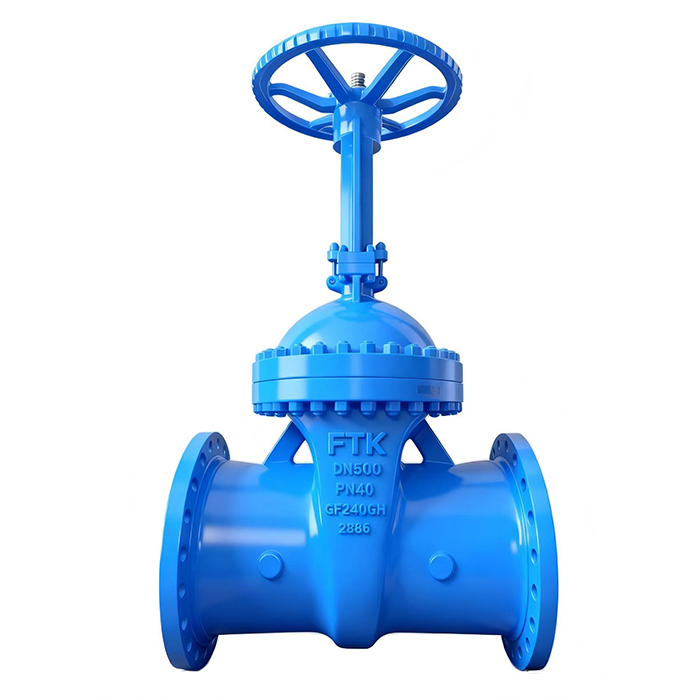
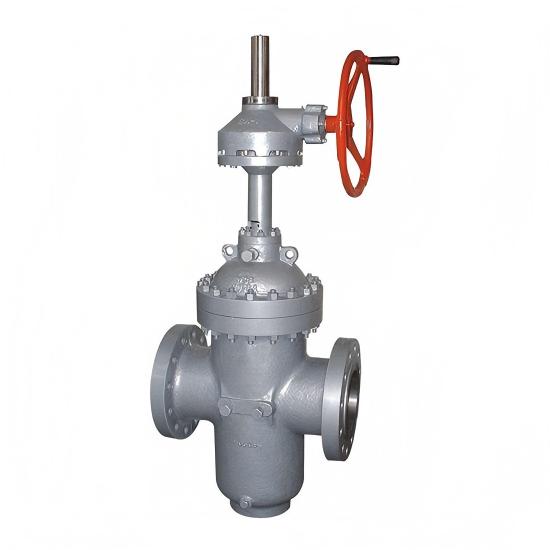
A gate valve operates by lifting a gate or wedge out of the flow path to open or close the valve. It is designed primarily for on/off control and is typically used for isolation purposes. Gate valves are often found in pipelines where a full, unobstructed flow is needed, and the valve doesn’t need to regulate the flow rate.
Key Differences Between Globe and Gate Valves
Feature
Globe Valve
Gate Valve
Function
Regulates flow, throttling
On/off control, isolation
Design
Spherical body with a baffle and disc
Two metal plates or wedges
Flow Control
Controls flow rate
Full flow when open
Pressure Drop
Higher pressure drop due to restricted flow
Lower pressure drop
Speed of Operation
Slower, gradual opening and closing
Faster, immediate opening and closing
Maintenance
Requires more maintenance
Easier to maintain
Globe Valve Applications
Pressure Regulation: Globe valves are ideal for throttling applications, such as water treatment plants, chemical processing, and power generation.
Flow Control: Used to adjust the flow of fluids in steam systems, oil refineries, and gas pipelines.
Temperature Control: Common in systems where temperature regulation is needed, such as in heating systems and cooling circuits.
Gate Valve Applications
Isolation in Pipelines: Gate valves are typically used in water pipelines, oil pipelines, and gas transmission lines where on/off control is required.
High-Flow Systems: Ideal for systems where full flow is essential, such as in fire protection systems or HVAC.
Low-Pressure Systems: Commonly found in drainage and sewerage systems where pressure is not a concern.
Advantages of Globe Valves
Precise Flow Control: Globe valves provide accurate flow regulation, making them perfect for systems requiring detailed flow management.
Pressure Control: Excellent for managing pressure in both high and low-pressure applications.
Throttling Ability: Ideal for systems where adjustable flow rates are needed.
(All images are sourced from the internet. In the event of any copyright infringement, please contact us and we will remove the content promptly.)
Advantages of Gate Valves
Minimal Pressure Drop: Gate valves offer a minimal pressure drop and are ideal for systems requiring unobstructed flow.
Simple Operation: The design of gate valves makes them easy to operate, requiring less manual effort compared to globe valves.
Long-Lasting: Gate valves are durable and reliable, especially for on/off control in larger systems.
(All images are sourced from the internet. In the event of any copyright infringement, please contact us and we will remove the content promptly.)
Which Valve Is Better for Industrial Use?
Globe Valves: Best for applications that require throttling, pressure control, or adjustable flow rates. These are ideal for industries like oil and gas, chemical processing, and power generation.
Gate Valves: Preferable for on/off isolation in systems where flow regulation is not necessary. Water treatment, HVAC systems, and large pipelines benefit from the simplicity and reliability of gate valves.
FAQs
Q:What is the main difference between a globe valve and a gate valve?
Globe valves are used for flow regulation and throttling, while gate valves are used for on/off control or isolation in pipelines.
Q:Which valve is better for controlling flow?
A globe valve is better for controlling and regulating flow due to its precise throttling capabilities.
Q:Can a gate valve be used for throttling?
Gate valves are not ideal for throttling, as they are designed primarily for on/off isolation. For throttling, a globe valve is recommended.
Q:What is the typical application of a globe valve?
Globe valves are used for applications that require precise flow control, such as in chemical processing, pressure regulation, and temperature control systems.
Conclusion
In choosing between a globe valve and a gate valve, the key factor to consider is your system’s need for flow control or isolation. If you need precise flow regulation, globe valves are the way to go. If you require simple on/off control for isolation purposes, gate valves are the more suitable option. At FULL-THINK VALVE, we offer both types of valves to suit a variety of industrial needs. Contact us today to learn more about our high-quality globe valves and gate valves.




 Optimized by Seraphinite Accelerator