Choosing the right butterfly valve for your system is crucial for efficient flow control, sealing, and performance. When it comes to high-performance valves, double eccentric and triple eccentric butterfly valves are two of the most popular options. But how do you know which one is right for your application? This blog will help you understand the differences between these two valve types, so you can make an informed choice.
What is a Double Eccentric Butterfly Valve?
Definition
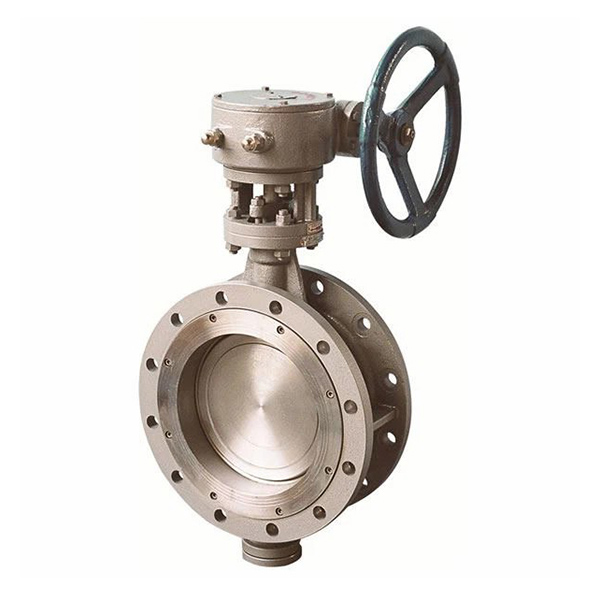
A double eccentric butterfly valve is designed with two offsets in its construction: one offset on the stem and another on the disc. These offsets reduce friction and improve the valve’s sealing performance, especially in high-pressure systems. The disc is not parallel to the valve body, and it moves at an angle, which makes the sealing mechanism more effective.
Key Features
Two Offsets: The stem and disc are offset to reduce friction and wear.
Improved Sealing: The eccentric design allows for tighter sealing and reduced leakage.
High-Performance: Ideal for applications with high-pressure and temperature demands.
Durability: Resistant to wear and tear, making it suitable for heavy-duty operations.
Standards
Double eccentric butterfly valves follow international standards like API 609, AWWA C504, and BS 6755, ensuring their reliability in various industrial applications.
(All images are sourced from the internet. In the event of any copyright infringement, please contact us and we will remove the content promptly.)
What is a Triple Eccentric Butterfly Valve?
Definition
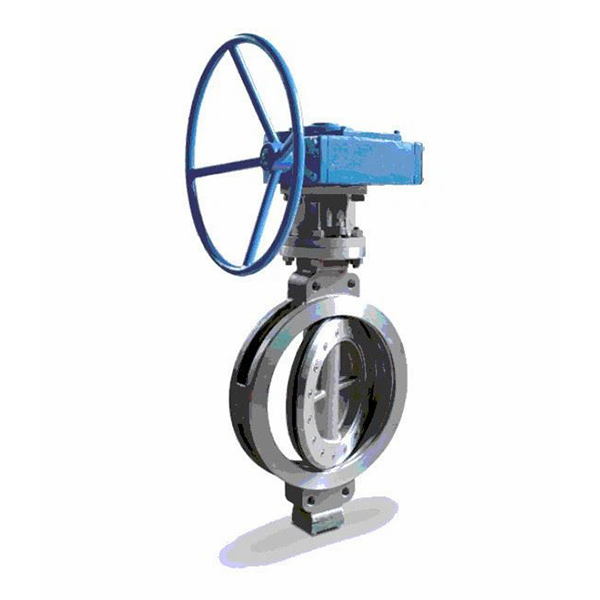
A triple eccentric butterfly valve takes the design of the double eccentric valve a step further by adding a third offset: the shaft centerline. This additional offset further reduces friction between the valve disc and seat, resulting in superior sealing performance, especially in high-pressure, high-temperature, and corrosive environments.
Key Features
Three Offsets: The third offset in the shaft centerline enhances sealing and reduces disc wear.
Perfect for High Temperatures: Designed to withstand extreme temperatures.
Highly Reliable: Offers excellent performance in demanding environments like chemical plants and refineries.
Minimal Seat Wear: With three offsets, friction is minimized, leading to longer valve life.
Standards
Triple eccentric butterfly valves adhere to global standards like API 609, AWWA C504, and BS 6755 to ensure they meet the requirements of high-performance systems.
(All images are sourced from the internet. In the event of any copyright infringement, please contact us and we will remove the content promptly.)
What is the Key Difference Between a Double Eccentric Butterfly Valve and a Triple Eccentric Butterfly Valve?
Feature
Double Eccentric Butterfly Valve
Triple Eccentric Butterfly Valve
Number of Offsets
2 offsets (one on the stem and one on the disc)
3 offsets (one on the stem, one on the disc, and one on the shaft centerline)
Sealing Performance
Good sealing, effective for medium-pressure applications
Superior sealing, ideal for high-pressure and high-temperature environments
Friction Reduction
Reduced friction due to two offsets
Further reduced friction due to three offsets, enhancing durability
Application
Suitable for general industrial applications with moderate pressure requirements
Best for extreme conditions such as high-pressure, high-temperature, and corrosive environments
Cost
More cost-effective for moderate demands
Higher cost due to advanced design and superior performance
Wear Resistance
Resistant to wear but can show signs of seat wear over time
Extremely durable with minimal wear, especially in severe applications
Advantages and Disadvantages of Double Eccentric and Triple Eccentric Butterfly Valves
Double Eccentric Butterfly Valves
Advantages:
Cost-effective for medium-pressure applications.
Effective sealing with reduced friction.
Long lifespan due to reduced wear.
Disadvantages:
Limited performance in high-pressure or high-temperature systems.
Not ideal for highly corrosive or abrasive environments.
Triple Eccentric Butterfly Valves
Advantages:
Excellent sealing in high-pressure, high-temperature, and corrosive environments.
Minimal seat wear due to three offsets.
Longer service life with reduced friction.
Disadvantages:
Higher cost compared to double eccentric valves.
Can be overkill for low-pressure applications.
Applications and Suitable Scenarios
Double Eccentric Butterfly Valves: Used in medium-pressure systems, such as water treatment, HVAC, and low-pressure gas systems.
Triple Eccentric Butterfly Valves: Ideal for high-pressure, high-temperature, and corrosive environments, such as chemical plants, refineries, and power plants.
How to Choose Between Double and Triple Eccentric Butterfly Valves
For high-pressure, high-temperature, or aggressive fluid environments, go for triple eccentric butterfly valves.
For less demanding, medium-pressure applications, double eccentric butterfly valves will be sufficient and cost-effective.
Maintenance Requirements for Double and Triple Eccentric Butterfly Valves
Double Eccentric Butterfly Valves: Regular inspection is required to ensure sealing performance. Lubrication may be needed to maintain smooth operation.
Triple Eccentric Butterfly Valves: These valves require less frequent maintenance due to their superior sealing and minimal wear. Regular checks for corrosion and wear are still important, especially in harsh environments.
FAQs
Q:When should I use a double eccentric butterfly valve?
Use a double eccentric valve for medium-pressure applications where reduced friction and good sealing performance are required, such as in water treatment and HVAC systems.
Q:When is a triple eccentric butterfly valve preferred?
A triple eccentric valve is preferred in high-pressure, high-temperature, or corrosive environments, such as in chemical plants or refineries, where superior sealing and durability are essential.
Q:What are the key differences between double and triple eccentric butterfly valves?
The primary difference is the number of offsets. Triple eccentric valves have an additional offset in the shaft centerline, improving sealing and durability, especially in extreme conditions.
Q:How often should I maintain a triple eccentric butterfly valve?
Triple eccentric valves require less maintenance due to their advanced design, but regular inspections for corrosion and wear are still recommended, especially in harsh environments.
Conclusion
Choosing between double eccentric and triple eccentric butterfly valves depends on your application’s specific needs. For medium-pressure systems, double eccentric valves offer cost-effective, reliable performance. However, for high-pressure, high-temperature, or corrosive environments, a triple eccentric valve is the better choice for superior sealing and longevity.
At FULL-THINK VALVE, we provide high-quality double eccentric and triple eccentricbutterfly valves, designed to meet the most demanding applications. Whether you need durable, reliable performance for general use or specialized solutions for extreme conditions, we’ve got you covered.



 Optimized by Seraphinite Accelerator