

As a B2B professional—whether you’re an OEM/ODM procurement manager, a wholesaler, an importer, a distributor, or a buyer looking for reliable valve solutions—understanding the difference between check valves and one-way valves is critical to making informed purchasing decisions.
Today, we’ll break down everything you need to know, from basic definitions to practical selection tips, and show you why Full Think Valve (FTK) is your trusted partner for high-quality check valves and one-way valves.
The one way valve definition is straightforward: it is a mechanical device that allows fluids (liquids or gases) to flow in only one direction. Whether you are looking for a one way water valve or a one way air valve, the primary goal is to prevent reverse flow.
A check valve, also known as a non-return valve (non-return valve), is a specific, industry-standard technical valve designed to automatically prevent backflow in pipelines. It operates without manual or mechanical control, relying solely on the pressure and flow of the fluid in the pipeline to open and close. When fluid flows in the desired direction, the pressure pushes the valve disc open; when flow reverses or pressure drops, the valve closes automatically (aided by gravity or a spring) to block backflow. This automatic operation makes it a staple in engineering specifications and critical industrial applications, where reliability is non-negotiable for you and your clients.
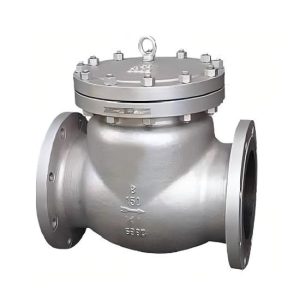
(All images are sourced from the internet. In the event of any copyright infringement, please contact us and we will remove the content promptly.)
In most industrial contexts, a check valve and a non-return valve are the same thing. However, compared to a generic 1 way valve, industrial check valves are designed for specific pressure ratings and automatic operation.
Comparison Table: Technical Specifications at a Glance
| Feature | Industrial Check Valve | General One-Way Valve |
| Primary Use | Industrial (Oil, Gas, Water) | Pneumatics, Appliances, Small DIY |
| Operation | Fully Automatic (Fluid Driven) | May include manual/pilot control |
| Common Sizes | Large Scale to 15mm one way valve | Usually one way valve small (under 1/2″) |
| Materials | Ductile Iron, Stainless Steel, WCB | Brass, Plastic, Aluminum |
Choosing from the various types of one way valves depends on your system’s medium and pressure:
These valves have a hinged disc that swings open with fluid flow and closes when flow reverses. They’re ideal for large flow rates and low pressure drops, making them perfect for water and wastewater treatment plants, pumping stations, and HVAC systems. As a B2B supplier, these are a top-seller for industrial clients due to their durability and low maintenance.
Lift check valves use a piston or disc that lifts to allow flow and drops to close. They offer tight sealing, making them suitable for high-pressure applications like oil and gas processing, steam systems, and chemical plants. For OEM/ODM procurement, these are often customized for specific pressure ratings.
A small ball seals the valve seat to prevent backflow. These are compact, affordable, and ideal for small-scale applications—such as 15mm one-way valves (1/2 one-way valve), one-way air valves, one-way water valves, and washing machine valves with check valves. They’re a popular choice for wholesalers targeting residential or light industrial markets.
Designed for high-velocity flows, these valves have a streamlined nozzle that minimizes pressure drop. They’re commonly used in oil and gas pipelines, where efficiency and reliability are critical. For importers, these valves are in high demand for energy sector clients.
These valves have a disc that tilts open and closed, offering fast closure to prevent water hammer. They’re suitable for large-diameter pipelines in water treatment and pumping stations—perfect for industrial clients with high-volume systems.
Compact and lightweight, wafer check valves fit between two flanges, saving space. They’re ideal for HVAC systems, chemical processing, and tight installations. As an OEM/ODM procurement manager, these are great for custom equipment where space is limited.
Understanding which industries use these valves will help you target your procurement and sales efforts. Here are the top sectors where check valves and one-way valves are in high demand—all served by FTK:
Check valves prevent backflow of contaminated water, protecting clean water supplies. Swing check valves and tilting disc check valves are most common here—critical for municipal and industrial water treatment plants.
One-way valves and check valves ensure proper flow of heating and cooling fluids. Wafer check valves and ball check valves are popular for their compact design and reliability.
High-pressure, corrosion-resistant check valves (e.g., lift check valves, in-line check valves) are essential to prevent backflow and ensure safety. FTK’s stainless steel and ductile iron valves meet international standards for these harsh environments.
One-way air valves (one-way check valves for air) prevent air backflow, maintaining system pressure. Small, compact ball check valves are ideal for these applications.
Swing check valves and tilting disc check valves prevent pump damage from backflow when pumps shut down— a critical requirement for municipal and industrial pumping stations.
As a B2B buyer, wholesaler, or OEM/ODM procurement manager, choosing the right valve depends on your client’s needs. Here’s a step-by-step guide to make the right decision:
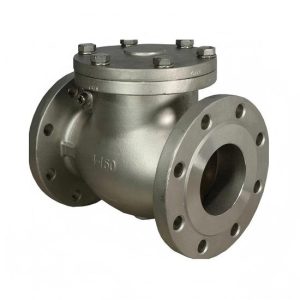
(All images are sourced from the internet. In the event of any copyright infringement, please contact us and we will remove the content promptly.)
Water and Steam
For water and steam applications (e.g., HVAC, water treatment), choose swing check valves or lift check valves. They offer reliable backflow prevention and handle moderate pressure and temperature ranges. For small-scale applications (e.g., washing machines), opt for small one-way check valves (15mm, 1/2 inch).
Oil and Gas Industry
High-pressure, corrosion-resistant valves are a must. Lift check valves and in-line check valves made from stainless steel or ductile iron (like FTK’s products) are ideal, as they withstand harsh chemicals and high temperatures.
Slurry or Particulate-Containing Fluids
Ball check valves or tilting disc check valves are best here, as they resist clogging from particulates—critical for industries like mining or wastewater treatment.
Check valves (e.g., lift check valves) often have installation restrictions (e.g., horizontal or vertical mounting), while some one-way valves are more flexible. As a procurement professional, always confirm installation requirements with your manufacturer to avoid costly mistakes.
Opening Pressure
Cracking pressure is the minimum pressure needed to open the valve. For low-pressure systems (e.g., pneumatic systems), choose valves with low cracking pressure (like ball check valves). For high-pressure systems, opt for lift check valves with higher cracking pressure.
Pressure Drop
Minimize pressure drop to improve system efficiency. Swing check valves and in-line check valves have low pressure drops, making them ideal for large flow rates— a key consideration for industrial clients looking to reduce energy costs.
Water Hammer
Water hammer (hydraulic shock) occurs when valves close too quickly, damaging pipelines. Tilting disc check valves and silent check valves (available from FTK) reduce water hammer, protecting your client’s systems.
Debris and Contamination
Choose valves with easy-to-clean designs (e.g., ball check valves) for systems with debris. FTK’s valves are designed for easy maintenance, reducing downtime for your clients.
Ease of Maintenance
As a B2B supplier, offering low-maintenance valves (e.g., wafer check valves, swing check valves) will make your products more attractive to clients. FTK’s valves are designed for easy disassembly and maintenance, saving time and costs.
Q: Are check valves and one-way valves the same?
A: No—check valves are a specific type of one-way valve: automatic, backflow-focused.
Q: What’s the difference between a 15mm one-way valve and a 1/2 one-way valve?
A: They’re the same size (15mm = 1/2 inch).
Q: Can I get OEM/ODM customization for check valves or one-way valves?
A: Yes—FTK offers full OEM/ODM customization, including size (15mm, 1/2 inch), material (cast iron, ductile iron, stainless steel), and design, tailored to your client’s specific needs.
Q: What certifications should I look for when purchasing valves? A: Prioritize manufacturers with ISO, ANSI, or DIN certifications
Q: Do you supply washing machine valves with check valves? A: Yes—FTK offers small one-way check valves (15mm, 1/2 inch) ideal for washing machines.
Finding a reliable factory that understands OEM/ODM requirements is vital for wholesalers and distributors.
Full Think Valve (FTK) is a professional valve manufacturer and supplier with over 14 years of experience. We provide high-quality oneway valve solutions
⚡ Give Your Project the FTK Advantage
Global shipping and compliance with international pressure standards.
Competitive pricing
Technical support