

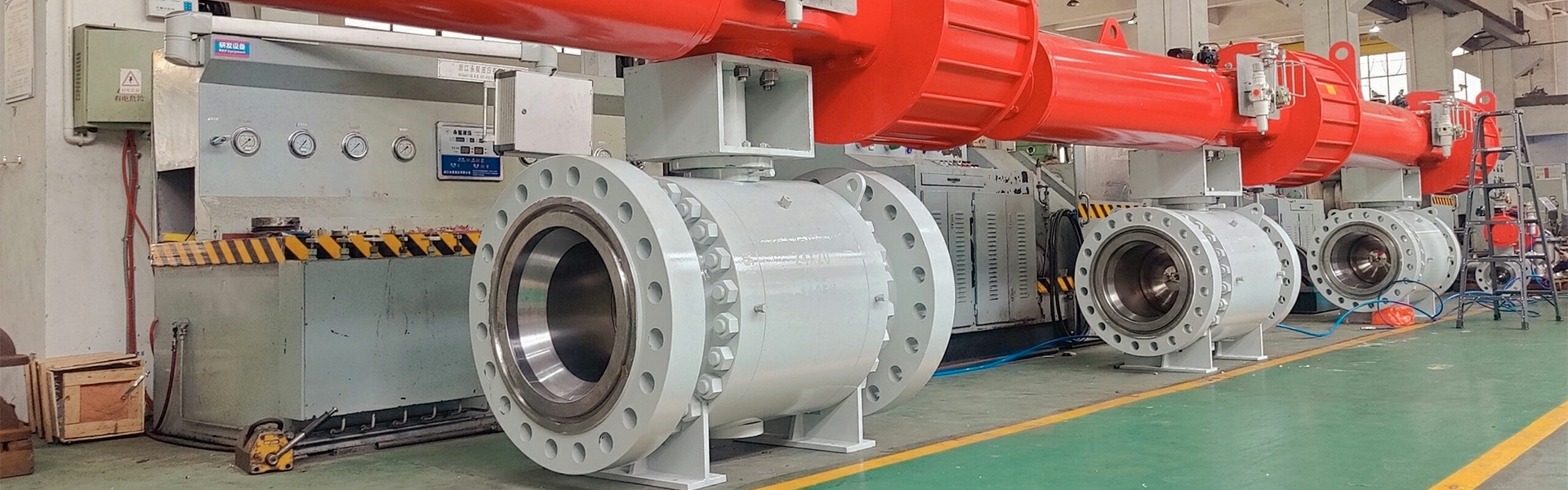
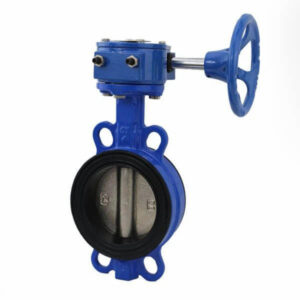
Resilient seated concentric butterfly valves are widely used in low and medium pressure pipeline systems because of their compact design, reliable sealing performance, and cost-effective operation.
Compared with many traditional valve types, concentric butterfly valves provide:
These valves are commonly used in:
FTK Valve provides resilient seated concentric butterfly valves designed for stable sealing performance and efficient industrial flow control.
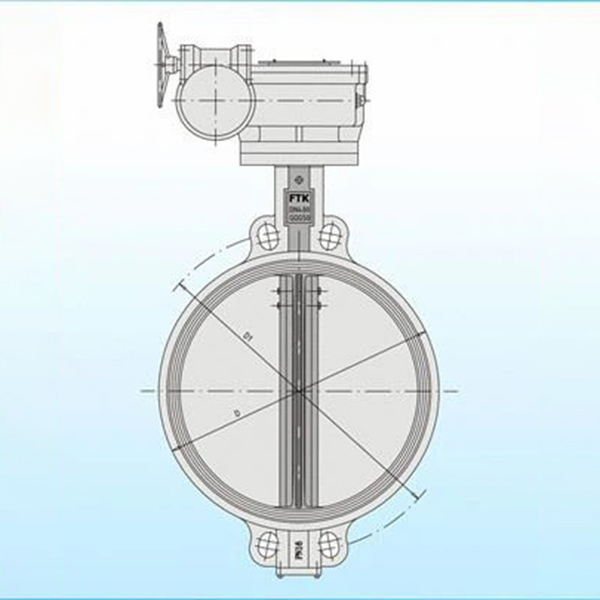
A resilient seated concentric butterfly valve is a quarter-turn valve that uses a centrally positioned disc and resilient soft seat to regulate or isolate fluid flow.
In concentric butterfly valves:
The resilient seat provides tight sealing between the disc and valve body.
Common seat materials include:
This valve design is widely used because of its:
The resilient soft seat provides effective sealing for:
This helps minimise leakage during operation.
Concentric butterfly valves occupy less installation space compared with gate or globe valves.
This improves:
Quarter-turn operation allows rapid opening and closing.
Suitable for:
Simple valve structure reduces:
Resilient seated butterfly valves provide an economical solution for many low and medium pressure applications.
Humans love industrial equipment that is cheap, compact, easy to maintain, and somehow still reliable. Concentric butterfly valves basically won the blue-collar engineering popularity contest. ⚙️
Used in:
Suitable for:
Applied in:
Used for:
Suitable for:
Concentric butterfly valves use a centred disc structure, while double eccentric valves use an offset design.
Concentric butterfly valves are generally more economical.
Winner: Concentric Butterfly Valve
Double eccentric butterfly valves are better suited for higher pressure and temperature systems.
Winner: Double Eccentric Butterfly Valve
Concentric butterfly valves feature simpler structures and easier maintenance.
Winner: Concentric Butterfly Valve
| Parameter | Specification |
|---|---|
| Valve Type | Resilient Seated Concentric Butterfly Valve |
| Size Range | DN40–DN1200 |
| Pressure Rating | PN10 / PN16 / ANSI 150 |
| Body Material | Cast Iron / Ductile Iron / Stainless Steel |
| Disc Material | Ductile Iron / SS304 / SS316 |
| Seat Material | EPDM / NBR / PTFE |
| Connection Type | Wafer / Lug / Flanged |
| Operation | Lever / Gear / Pneumatic / Electric |
| Application | Water, Air, HVAC, Industrial Systems |
Specifications may vary depending on valve model and application requirements.
The resilient seat helps achieve reliable sealing performance and low leakage.
The concentric structure provides stable rotational movement and simple operation.
Supports:
Butterfly valves require less installation space compared with many traditional valve designs.
Seat materials should match:
Different seat materials support different operating temperatures.
For example:
Select suitable pressure ratings according to pipeline operating conditions.
Choose:
based on system requirements.
FTK Valve provides industrial resilient seated butterfly valve solutions designed for reliable flow control and long-term operation.
Our advantages include:
FTK butterfly valves are suitable for:
Poor-quality butterfly valves may cause:
Reliable valve quality helps improve operational safety and system stability.
A resilient seated butterfly valve uses a soft sealing seat to provide reliable shut-off performance in pipeline systems.
Concentric butterfly valves use a centred disc structure, while eccentric butterfly valves use offset designs to reduce seat friction.
They are commonly used in water treatment, HVAC, fire protection, and industrial utility systems.
EPDM is commonly used for water systems, while PTFE offers better chemical resistance.
They are generally used in low and medium pressure applications.
Resilient seated concentric butterfly valves provide a reliable and cost-effective solution for industrial flow control systems.
Their compact structure, reliable sealing performance, easy maintenance, and flexible operation make them widely used in water treatment, HVAC, fire protection, and industrial utility applications.
Choosing high-quality resilient seated butterfly valves helps improve pipeline reliability, reduce maintenance costs, and support stable long-term operation.
FTK Valve provides industrial butterfly valve solutions designed for reliable sealing and efficient flow control across a wide range of industrial applications
 Optimized by Seraphinite Accelerator