Choosing the right gate valve standard directly impacts your system’s safety, performance, and cost efficiency. If you work in industrial piping, you’ve likely encountered API 603 and API 600 gate valves. Understanding how they differ helps you select the most reliable and economical solution for your operating conditions.
What Are API 603 and API 600 Gate Valves?
API 603 Gate Valves
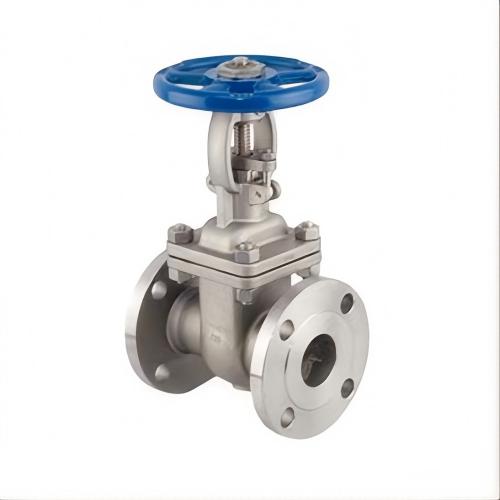
API 603 gate valves are designed as lightweight cast steel valves with optimized wall thickness. They maintain strength while reducing material usage, making them ideal for modern industrial systems that prioritize efficiency and space savings.
Key characteristics:
Reduced wall thickness compared to API 600
Lighter overall weight
Designed for compact installations
Lower material and transportation costs
(All images are sourced from the internet. In the event of any copyright infringement, please contact us and we will remove the content promptly.)
API 600 Gate Valves
API 600 gate valves follow a traditional heavy-duty cast steel design. They feature thicker walls and higher safety margins for pressure and temperature, making them suitable for harsh and demanding service environments.
Key characteristics:
Thick body walls for maximum durability
Designed for high-pressure, high-temperature service
Heavier construction
Long-established industry standard
Design and Structural Differences
Feature
API 603 Gate Valve
API 600 Gate Valve
Wall Thickness
Thinner, optimized
Thick, conservative
Overall Weight
Lightweight
Heavy-duty
Material Usage
Reduced
Higher
Space Requirement
Compact
Larger footprint
Design Philosophy
Efficiency-focused
Strength-focused
API 603 valves use advanced engineering to reduce material without compromising performance, while API 600 valves prioritize robust structural margins.
Performance Comparison: API 603 vs API 600
Performance Aspect
API 603
API 600
Pressure Handling
High, optimized
Very high
Temperature Resistance
Industrial standard range
Extreme conditions
Flow Efficiency
Improved due to thinner body
Standard
Installation Ease
Easier due to lighter weight
Requires heavier support
Service Life
Long with proper maintenance
Extremely long in harsh environments
Both perform reliably, but API 600 is better for extreme operating conditions.
Applications of API 603 and API 600 Gate Valves
Typical API 603 Applications
Chemical processing plants
Refining systems with space constraints
Modern pipeline installations
Medium to high pressure services
Typical API 600 Applications
Power generation plants
High-temperature steam systems
Oil and gas transmission lines
Heavy industrial pipelines
How to Choose Between API 603 and API 600 Gate Valves
You should consider:
Operating pressure and temperature
Available installation space
System weight limitations
Budget and lifecycle cost
Maintenance accessibility
Choose API 603 when:
You want lighter valves with strong performance
Space and installation efficiency matter
Cost optimization is a priority
Choose API 600 when:
Your system operates under extreme conditions
Long-term durability is critical
Heavy-duty safety margins are required
Maintenance and Best Practices
To maximize valve lifespan:
Inspect sealing surfaces regularly
Monitor pressure fluctuations
Lubricate stems and moving parts
Replace worn gaskets promptly
Follow API-recommended service intervals
Proper maintenance ensures both API 603 and API 600 valves deliver long-term reliability.
FAQs
Q:What is the main difference between API 603 and API 600 gate valves?
API 603 valves are lightweight with optimized wall thickness, while API 600 valves are heavier with thicker walls designed for extreme service conditions.
Q:Are API 603 gate valves less durable than API 600?
No. API 603 valves are engineered to maintain strength while reducing weight, but API 600 offers higher safety margins for severe environments.
Q: Which valve is more cost-effective?
API 603 typically has lower material, transport, and installation costs, making it more economical for many industrial systems.
Q:Can API 603 replace API 600 in all applications?
Not always. High-temperature and extreme-pressure systems often still require API 600 designs.
Q:Which is easier to install?
API 603 valves are easier to handle and install due to their lighter weight.
Conclusion
Understanding the differences between API 603 and API 600 gate valves allows you to balance performance, safety, and cost. API 603 offers lightweight efficiency for modern systems, while API 600 delivers unmatched durability for extreme industrial conditions.
FULL-THINK provides high-quality API 603 and API 600 gate valves engineered for long-term reliability and industrial performance—helping you choose the right solution with confidence.



 Optimized by Seraphinite Accelerator