Basket Type vs Y Type Strainer: How to Choose?
Introduction
Choosing the right industrial strainer protects your pumps, valves, and pipelines from debris damage. If you’re deciding between a basket type strainer and a Y type strainer, understanding their differences in flow capacity, maintenance, and pressure loss helps you optimize filtration performance and system efficiency.
What Is a Basket Type Strainer?
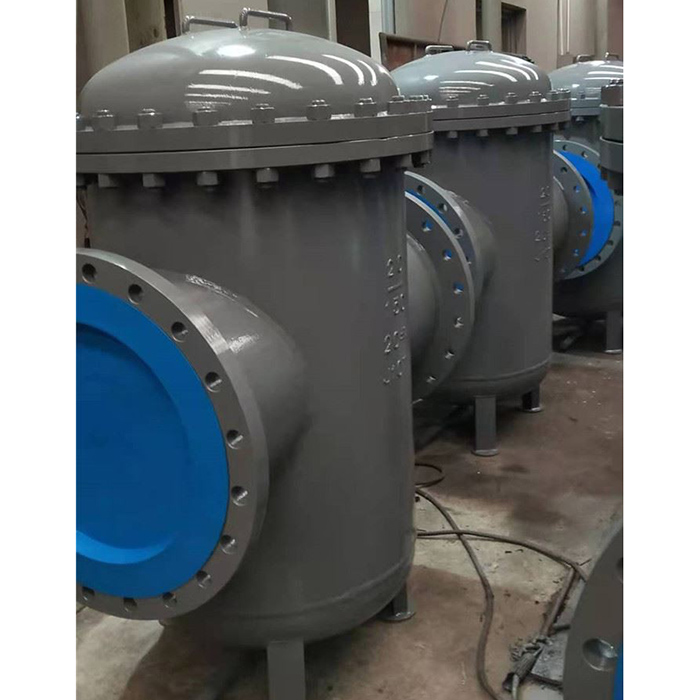
A basket type strainer is a filtration device with a removable basket-shaped mesh element designed to trap solid particles from fluids flowing through pipelines.
Key Features:
- Large filtration area
- Handles high flow rates
- Low pressure drop
- Easy to clean and replace basket
Working Principle:
As fluid passes through the basket, debris is captured inside the mesh while clean fluid continues downstream.
(All images are sourced from the internet. In the event of any copyright infringement, please contact us and we will remove the content promptly.)
What Is a Y Type Strainer?
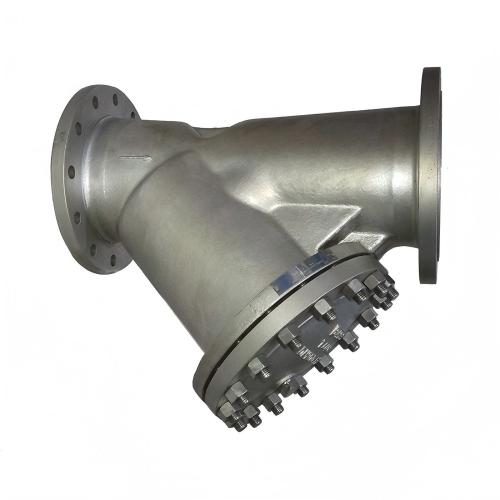
A Y type strainer gets its name from its Y-shaped body and compact structure, ideal for continuous operation in smaller pipelines.
Key Features:
- Compact and space-saving
- Suitable for low to medium flow systems
- Can be cleaned without full disassembly
- Lower initial cost
Working Principle:
Fluid flows through a mesh screen positioned in the angled branch of the Y shape, capturing dirt and particles.
(All images are sourced from the internet. In the event of any copyright infringement, please contact us and we will remove the content promptly.)
Key Differences Between Basket and Y Strainers
|
Feature
|
Basket Type Strainer
|
Y Type Strainer
|
|
Flow Capacity
|
High
|
Low to medium
|
|
Pressure Drop
|
Very low
|
Moderate
|
|
Filtration Area
|
Large
|
Smaller
|
|
Maintenance
|
Easy basket removal
|
Requires periodic flushing
|
|
Installation Space
|
Larger
|
Compact
|
|
Best For
|
Industrial high-flow systems
|
Tight spaces & smaller lines
|
In short: You choose basket strainers for heavy-duty filtration and Y strainers for compact, economical setups.
Applications for Basket Type Strainers
You should use basket strainers in:
- High-flow industrial pipelines
- Cooling water systems
- Oil and chemical processing
- Power plants
- Pump protection systems
They excel where continuous filtration and low pressure loss are critical.
Applications for Y Type Strainers
Y strainers work best in:
- Steam lines
- Compressed air systems
- Smaller fluid pipelines
- Temporary startup filtration
- Low debris environments
They are perfect for limited space installations.
Maintenance and Longevity Considerations
- Less frequent cleaning
- Longer service intervals
- Quick basket replacement
Y Strainers:
- More frequent debris removal
- Flushing or disassembly required
- Best for lighter contamination
Proper maintenance extends service life and keeps pressure loss minimal.
How to Choose the Right Strainer for Your System
You should consider:
- Flow rate requirements
- Pipeline size
- Available installation space
- Debris load
- Maintenance frequency
Choose a basket strainer for large flow and heavy debris.
Choose a Y strainer for compact systems with lighter filtration needs.
FAQs
Q: Which has lower pressure drop, basket strainer or Y strainer?
Basket strainers generally offer much lower pressure loss due to larger filtration area.
Q: Are basket strainers better for industrial systems?
Yes, especially for high flow and continuous operation.
Q: Can Y strainers be used in steam systems?
Absolutely. They are commonly used in steam and compressed air lines.
Q: How often should strainers be cleaned?
It depends on debris level, but basket strainers require less frequent cleaning than Y strainers.
Conclusion
Both basket type strainers and Y type strainers play critical roles in industrial filtration systems. When you match the strainer design to your flow rate, space, and contamination level, you improve system reliability and reduce maintenance costs.
With FULL-THINK’s high-performance industrial strainers, you get durable construction, efficient filtration, and dependable protection for your piping systems.
1